Ogunquit, Beautiful Place by the Sea
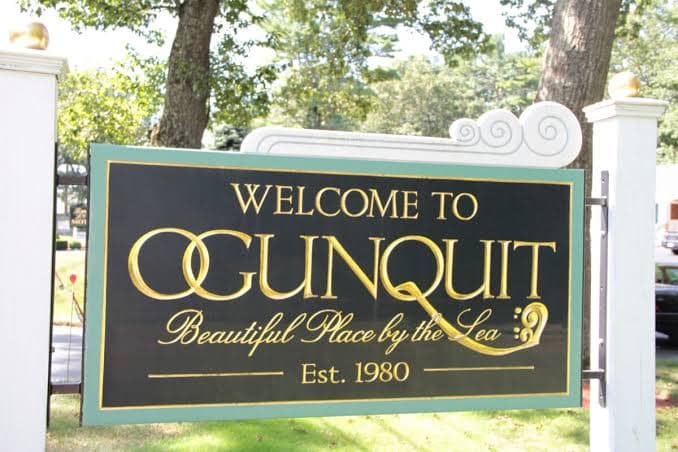
The stretch of southern Maine coast now known as Ogunquit was first part of the world of Native peoples, most often associated with the Abenakee and larger Wabanaki world who knew these shores, rivers, and fishing grounds intimately. Nearby Mount Agamenticus also stood within that larger Native landscape and has been described as part of a region used by Wabanaki peoples for hunting, food gathering, and ceremonial purposes. The name Ogunquit has long been understood to mean “beautiful place by the sea,” a phrase that still captures the town's identity.
In the colonial era, the area that would become Ogunquit developed as part of Wells, within what was then the Massachusetts Bay Colony. Roads, mills, fishing, trade, and small-scale shipbuilding gradually tied the village more firmly to the wider life of coastal New England. When Maine achieved statehood in 1820, Ogunquit remained part of Wells in York County, carrying forward both a local identity and a quieter dependence on the larger town around it.
Over time, Ogunquit developed a character distinctly its own. Fishermen, artists, innkeepers, summer residents, and civic-minded locals helped shape it into more than a coastal village or resort. It became a place of memory, beauty, culture, and return. The Ogunquit Village Corporation was established in 1913, reflecting that growing sense of separate identity, and in 1980 Ogunquit formally broke from Wells and incorporated as an independent town. Its history is therefore both continuous and evolving: Native landscape, colonial settlement, Maine village, and finally the beloved seaside town that continues to draw people back across generations.